


Pest control tips are simple actions homeowners can take to prevent or manage unwanted insects or rodents inside and around the home. These tips help keep your living space clean, safe, and free from damage. In this article, we’ll cover 10 practical pest control tips that are easy to follow and work well for everyday households.
10 Essential Pest Control Tips for Homeowners
1. Seal All Entry Points
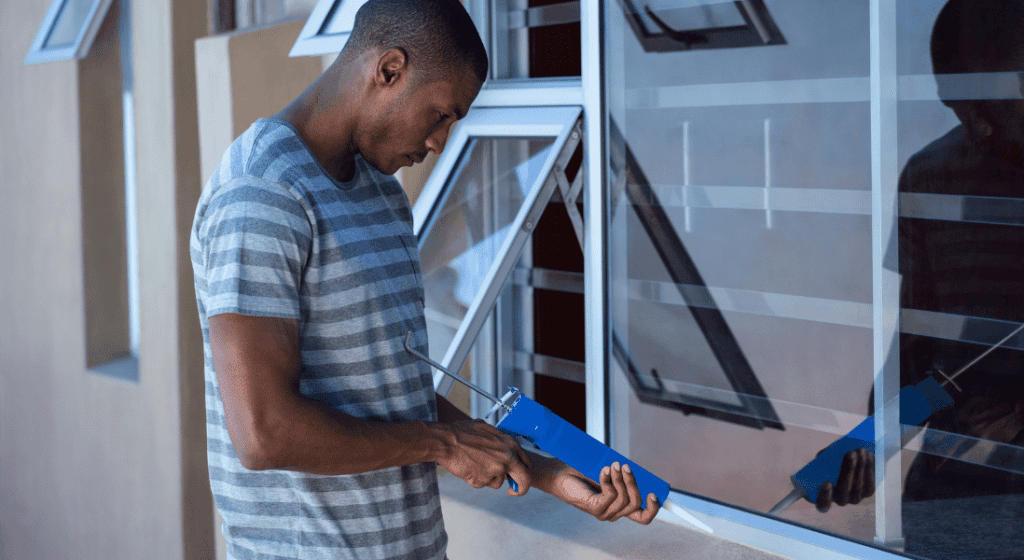
A crucial step in pest control is to ensure that any potential entry points are sealed. Inspect your home for cracks and crevices around windows, doors, pipes, and electrical outlets. Using caulk and weatherstripping can effectively block these openings, preventing pests from sneaking in. For a comprehensive guide on sealing entry points, check out this Pest Control Tips for Home Owners.
2. Keep Your Home Clean
Home cleanliness plays a significant role in pest prevention. Regularly clean areas prone to food spills, such as kitchens and dining rooms. Store food in airtight containers and avoid leaving dirty dishes or pet food out overnight to eliminate food sources for pests.
3. Remove Standing Water
Pests require water for survival. To deter them, remove any sources of standing water inside and outside your home. This includes:
- Monitoring pet water dishes
- Emptying flower vases
- Fixing leaky faucets or clogged drains
4. Use Traps
Using sticky or bait traps can effectively capture household pests such as ants, roaches, and rodents. Position these traps in areas where you’ve noticed pest activity, ensuring they are out of reach of pets and children.
5. Maintain Your Yard
An unkempt yard invites pests into your home. Regularly:
- Mow your lawn
- Trim back overgrowth
- Remove debris like fallen leaves and discarded items
This proactive maintenance will create a less hospitable environment for pests.
6. Use Natural Deterrents
Consider using natural plants that repel pests, such as basil, mint, and lemongrass. These can be planted in your garden or kept in pots indoors. Their natural fragrances work as effective deterrents.
7. Store Food Properly
How you store food is vital in pest control. Ensure all food items are:
- Kept in sealed containers
- Located away from walls or counters
Regularly clean out your pantry and cabinets to avoid attracting pests with crumbs or spills.
8. Use Diatomaceous Earth
Diatomaceous earth is a non-toxic powder made from fossilised algae that can repel and kill various pests, including ants and roaches. Sprinkle it around entry points and in areas where pests have been seen. Be sure to apply it in areas away from pets and children for safety.
9. Call a Professional
If your efforts do not curb the pest population or if the infestation is severe, it might be time to call in a professional pest control service. Professionals can accurately identify the type of pest and recommend targeted treatments that are more effective than DIY methods.
10. Monitor for Signs
Regularly check your home for any signs of pest activity, such as:
- Droppings
- Gnaw marks
- Unusual odours
Early detection is key to preventing small infestations from growing into larger problems.
Final Thoughts
Proactive pest control begins with simple, consistent habits that prevent infestations before they start. Cleanliness, sealing potential entry points, and ongoing monitoring form the foundation of a pest-free home. By adopting these daily practices, homeowners can take control of their environment and enjoy greater peace of mind.
Next Steps :
- Observe how seasonal changes affect pest activity in your area and adjust your strategy accordingly.
- Start implementing the recommended pest control habits immediately focus on cleanliness and sealing entryways.
