


Bees and wasps are insects that play important roles in nature. While bees help pollinate flowers and crops, wasps control pests and balance ecosystems. This article shares 8 fascinating facts about bees and wasps, helping you understand their behaviour, differences, and why both insects matter. Whether you’re curious or cautious, these facts will give you a fresh perspective on these buzzing creatures.
1. Bees Are Essential Pollinators
Bees play a critical role in pollination, essential for the reproduction of many plants. Approximately 75% of the world’s flowering plants depend on animal pollinators, and bees are among the most efficient. This service is vital for the production of fruits, vegetables, and nuts, contributing over £600 million to the UK economy annually (source: The Food and Agriculture Organisation). Without bees, our food supply would face severe challenges, highlighting their importance in our ecosystems.
2. Wasps Are Not Just Pests
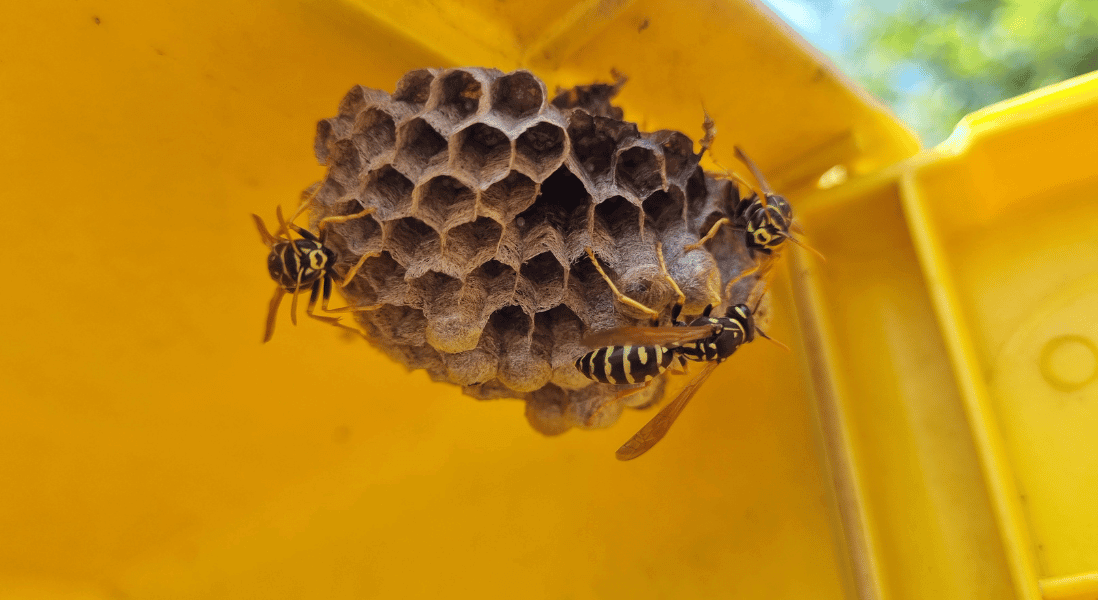
Though often viewed unfavourably, wasps are beneficial insects. They help control pest populations by preying on caterpillars, aphids, and other undesirable insects. One wasp can consume thousands of pest insects in its lifetime, making them invaluable for natural pest control. By encouraging the presence of wasps in gardens, you can reduce reliance on chemical pesticides, which is a more eco-friendly approach (Bee Conservation Trust).
3. Social Structure of Bee and Wasp Colonies
Both bees and wasps exhibit fascinating social structures. Honeybees have a complex hierarchy with a queen, workers, and drones. Each group has specific roles, such as:
- Foraging
- Nursing young
- Defending the hive
Wasps, particularly social species, also live in colonies with a queen and workers, but their life cycle typically does not include a waxy hive like that of bees. Understanding their social intricacies contributes to our appreciation of their lives and behaviours.
4. The Buzz of Communication
Bees and wasps communicate through various methods, including chemical signals (pheromones) and dances or sounds. Bees perform the “waggle dance” to share information about food sources, conveying distance and direction to their fellow bees. Wasps also use pheromones to alert colony members about threats. This sophisticated communication highlights their intelligence and adaptability within the ecosystem.
5. The Role of Bees and Wasps in Ecosystems
Both bees and wasps contribute to biodiversity. By pollinating flowers, bees help maintain plant populations, which in turn offer habitat and food for other organisms. Wasps contribute to pest control, which aids in maintaining ecological balance. The decline of either group can have cascading effects on plant and animal communities, emphasising the need for their conservation.
6. The Difference Between Bees and Wasps
While bees and wasps share similarities, they differ significantly in behaviour and physical characteristics:
- Bees: Typically have hairy bodies for collecting pollen and are primarily vegetarians, feeding on nectar and pollen.
- Wasps: Possess smoother bodies and are more elongated. Many are carnivorous, often capturing other insects for food.
Understanding these differences helps demystify their roles in nature.
7. The Impact of Climate Change
Climate change poses a significant threat to both bee and wasp populations. Shifts in temperature and weather patterns affect flowering times, which can lead to mismatches between pollinator activity and plant availability. Efforts are underway globally to study these effects and find solutions to protect these vital species, including:
- Habitat restoration
- Sustainable farming practices
(source: WWF).
8. Fascinating Discoveries in Science
Recent research has unveiled remarkable behavioural traits in both bees and wasps. For example, studies show that buzzing by bees encourages the secretion of sweeter nectar from flowers, creating a mutually beneficial relationship between the plants and their pollinators (Perplexity). Such scientific discoveries enhance our understanding of these creatures and their contributions to the environment.
Bees and wasps play a vital role in nature. They support pollination, pest control, and biodiversity. Understanding their importance helps us protect both these insects and the environment. Everyone can make a difference by supporting conservation efforts or creating safe spaces like bee-friendly gardens.
Next Steps
- Stay Informed: Follow updates on climate change and its effects on pollinator populations.
- Learn More: Read up on the role of pollinators in food production and ecosystems.
- Support Local Projects: Join or donate to conservation groups working to protect bee and wasp habitats.
- Garden Smart: Plant flowers and avoid pesticides to create a pollinator-friendly environment at home.
- Raise Awareness: Share facts and encourage others to appreciate and protect these helpful insects.
