


Natural ways to get rid of crickets are safe, chemical free methods that help you eliminate crickets using simple, home-based solutions. This article covers 10 effective options that protect your home while keeping your family and pets safe. From natural repellents to clever prevention tips, you’ll learn how to deal with crickets the healthy, eco friendly way.
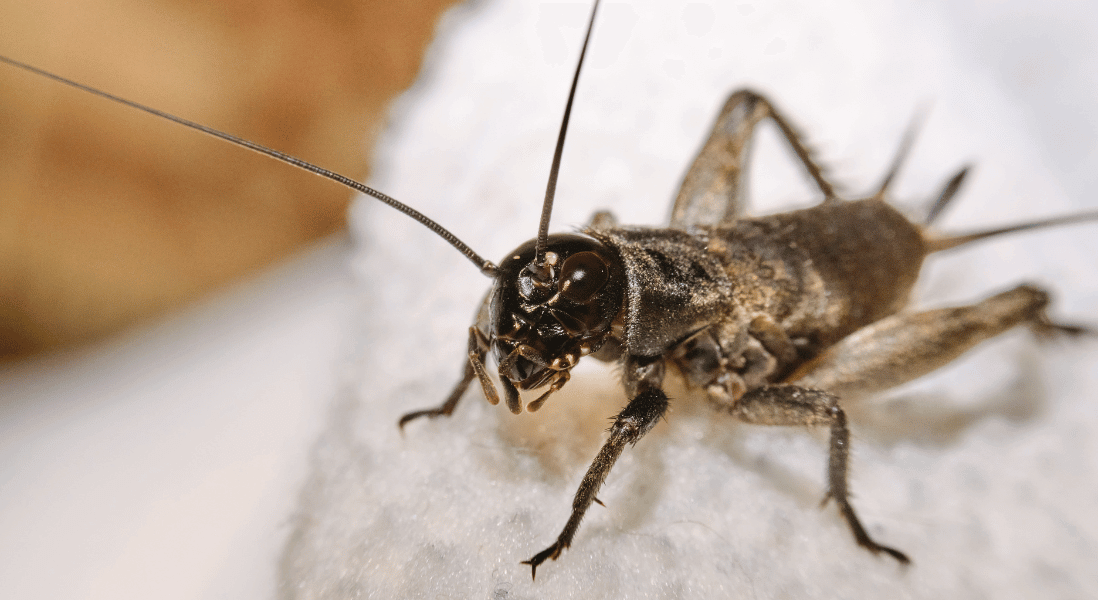
Natural Ways to Get Rid of Crickets
1. Seal All Entry Points
Crickets can enter your home through even the tiniest openings. To effectively keep them out, ensure all cracks and crevices around windows, doors, and vents are sealed with caulk or weatherstripping. Regularly check for gaps in your foundation or the areas where pipes and wires enter your home. For more information visit Service Master.
2. Keep Your Home Clean
Maintaining a tidy environment is critical in deterring crickets. Regularly vacuum and dust your home, especially in areas where crickets are most active. This not only removes their food sources but also helps eliminate any hiding spots they might have.
3. Use Essential Oils
Certain essential oils such as peppermint, lavender, and tea tree oil are effective in repelling crickets. Mix a few drops of these oils with water in a spray bottle and apply it around the perimeter of your home or in areas where crickets are seen. This natural method is not only effective but also leaves a pleasant aroma in your home. For more information visit McPherson College.
4. Remove Standing Water
Crickets, like many pests, rely on moisture for survival. By eliminating standing water sources such as pet water bowls, overwatering plants, or clogged gutters, you can create an inhospitable environment for these insects. Ensuring good drainage around your property can also help.
5. Use Diatomaceous Earth
Diatomaceous earth is a natural, non toxic powder made from fossilised algae. When crickets come into contact with it, they become dehydrated and eventually die. Sprinkle diatomaceous earth in areas where you suspect cricket activity, but ensure pets and children stay clear of the applications.
6. Plant Repellent Plants
Certain plants are natural repellents to crickets. Consider planting basil, mint, or lemongrass in your garden or in pots around your home. These plants not only provide a fragrance but can also enhance the aesthetics of your outdoor space while keeping crickets at bay.
7. Use Ultrasonic Devices
Ultrasonic pest repellers emit high-frequency sound waves that are disturbing to crickets but are inaudible to humans and pets. These devices can be an effective way to keep crickets away from your living areas without using chemicals.
8. Keep Your Yard Clean
Regularly mowing your lawn and keeping your yard free from debris, such as leaves and long grass, can reduce the places where crickets like to hide. A tidy yard makes it less attractive for crickets to settle.
9. Use Natural Traps
Another interesting method to trap crickets involves using a shallow dish of beer or a mixture of soap and water. Place this trap in areas with high cricket activity. The scent attracts crickets, and they will fall in and drown.
10. Call a Professional (If Necessary)
If you find that the cricket infestation is severe and these natural methods are not working, consider hiring a pest control professional. Many companies now offer eco-friendly methods for dealing with pests, ensuring you can rid your home of crickets without the use of harsh chemicals.
Final Thoughts
To manage cricket infestations naturally, start by identifying early signs like chirping or cricket shells. Use safe, natural insecticides such as neem oil to control populations. Keep your home dry and well-ventilated, as crickets prefer humid environments. These steps can help reduce cricket activity without using harsh chemicals. Trusted pest control websites can offer additional support tailored to your needs.
Next Steps
- Inspect regularly for signs of crickets, especially in warm or damp areas.
- Apply natural solutions like neem oil where activity is noticed.
- Improve ventilation in basements, kitchens, and bathrooms.
- Seal cracks and entry points to keep new crickets out.
- Explore more guidance from reputable pest control sources to refine your approach.
