


Drones improve farm pest control by helping farmers quickly detect and treat pest hotspots with precision. They scan crops from above, collect real-time data, and spray only where needed, saving time, reducing chemical use, and protecting crop health. This article explains how drones work, the types used in agriculture, and the many benefits they offer, including cost savings, better yields, and smarter, more sustainable farming.
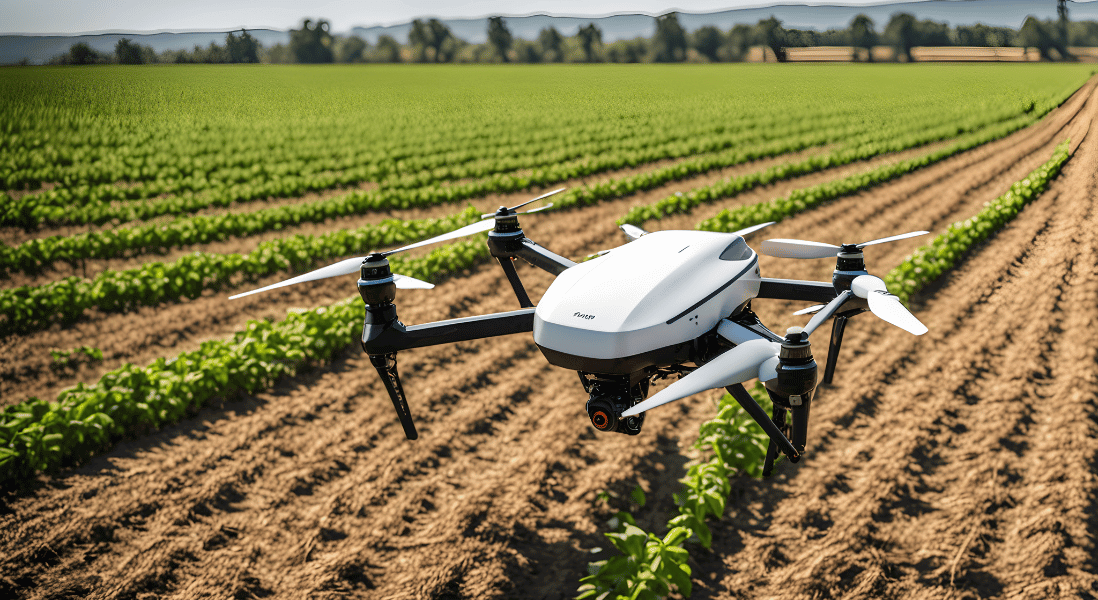
Overview of Drone Technology in Agriculture
Drones, or UAVs (Unmanned Aerial Vehicles), have become increasingly popular in the agricultural sector as a viable solution for pest control. They are equipped with high-resolution cameras and sensors that allow farmers to assess the condition of their crops from above. This aerial perspective can help in identifying pest infestations early, enabling prompt intervention. Drones can cover large areas quickly, making them an invaluable tool for farmers dealing with extensive fields.
Explore Drones Improve Farm Pest Control
The use of drones in farm pest control can be divided into several key functionalities:
1. Aerial Surveillance
Drones can be deployed to conduct regular aerial surveys of farmland. This form of monitoring allows farmers to accurately assess the health of their crops and detect any signs of pest activity. By analysing images captured by drones, it’s possible to identify patterns of pest infestations, which can lead to more targeted and efficient pest control measures.
2. Precision Spraying
One of the most significant advantages of using drones in pest control is their ability to deliver pesticides precisely where they are needed. This method not only reduces the amount of chemicals used ultimately benefiting the environment but also minimises the impact on pollinators and beneficial insects. Drone assisted pest control can be more efficient, allowing farmers to apply treatments selectively rather than blanket spraying entire fields.
3.Data Collection and Analysis
Advanced drones are equipped with sensors that can gather a wealth of data, including crop health indicators and environmental conditions. This information can be analysed to predict pest outbreaks and inform better pest management practices. Drones can also help in monitoring the effectiveness of pest control interventions, allowing for adjustments in strategy as needed.
Benefits of Using Drones for Pest Control
Integrating drones into pest control strategies offers several advantages:
- Cost-Effectiveness: While there is an initial investment in drone technology, the long-term savings can be substantial. Reduced pesticide use, lower labour costs, and improved crop yields contribute to overall profitability.
- Timeliness: Pests can cause significant damage in a short amount of time. Drones enable farmers to respond to pest threats quickly, which is crucial for maximising crop health and yields.
- Sustainability: Using drones as a precision tool for pest control aligns with sustainable farming practices. It promotes responsible pesticide use, reduces the carbon footprint associated with traditional pest control methods, and helps protect the ecosystem.
Considerations for Implementation
While the benefits are clear, there are several factors farmers should consider before adopting drone technology:
- Regulations: Farmers must be aware of local regulations regarding drone usage in agriculture. In South Africa, there are specific licensing requirements for drone operation. It’s essential to stay informed and comply with all legal stipulations to avoid penalties.
- Training: Proper training is necessary to operate drones effectively. Investing in education can ensure that farmers and their teams are equipped to use the technology safely and efficiently.
- Integration with Existing Practices: Drones should complement existing pest control strategies rather than replace them. Integrating drone technology with integrated pest management (IPM) approaches can lead to more holistic and effective pest control solutions.
Final Thoughts
Drone technology is becoming an effective tool in modern farming, especially for managing pests. It helps farmers act quickly, protect their crops, and improve how they manage their land. Using drones supports more precise, efficient, and sustainable farming practices. Resources like the South African Agricultural Research Council and Agri-Tech East provide helpful information for farmers interested in learning more.
Next Steps
- Stay Informed
Keep up with news and research on drone applications in agriculture to stay ahead. - Learn More
Visit trusted sources such as: - South African Agricultural Research Council
- Agri-Tech East
To understand drone types, uses, and regulations in farming. - Assess Your Farm’s Needs
Identify pest control challenges that drones could address on your farm. - Explore Drone Providers
Look for local suppliers or service providers who offer agricultural drone solutions. - Start Small
Consider a pilot project on a portion of your farm to test drone effectiveness.
