


Ants are a persistent nuisance in South African homes, particularly during the warmer summer months. They invade kitchens, pantries, and other spaces in search of food and shelter, quickly forming long trails and building colonies. Their ability to multiply rapidly makes them especially challenging to control. Beyond the annoyance, ants can contaminate food, damage property, and disrupt daily life if left unchecked.
Swift action is crucial to prevent a minor problem from becoming a full-blown infestation. This guide will walk you through identifying ant infestations, implementing DIY solutions, and knowing when to seek professional help.
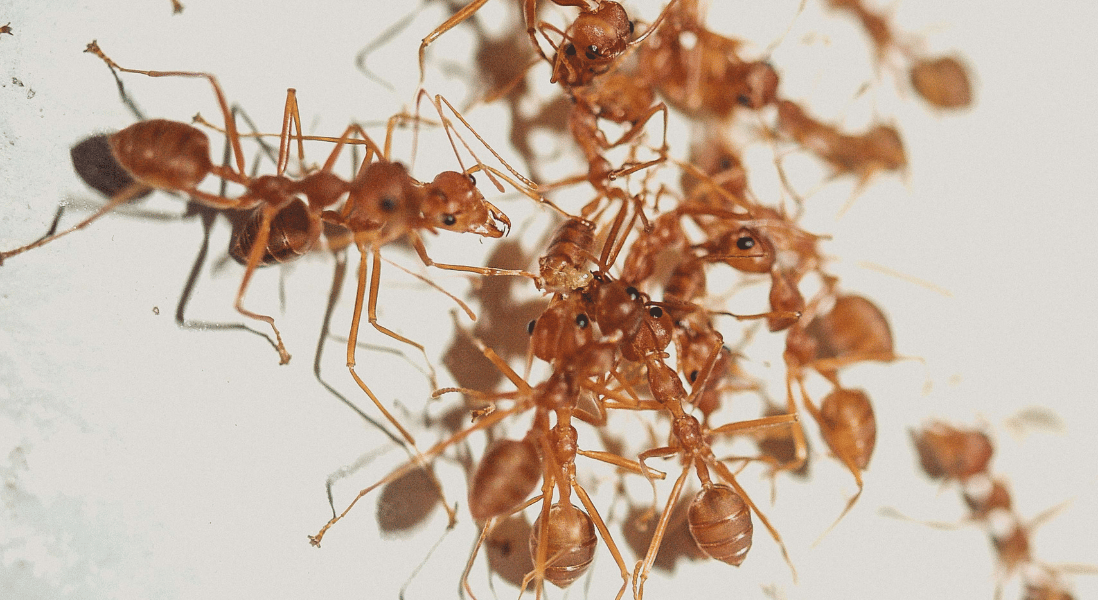
1. Identify the Source of the Infestation
Understanding where ants are coming from is the first step in addressing the problem effectively.
- Follow the Trails: Ants rarely wander randomly; they follow scent trails to and from their food source. Observe their movement to locate entry points, such as cracks, gaps, or tiny holes around windows, doors, and walls.
- Inspect Common Areas: Check likely spots for activity, such as kitchen counters, floors, and pantries, as well as less obvious places like electrical outlets, edges of tiles, or under carpets.
- Food and Water Sources: Ants are drawn to even the smallest crumbs, spills, or droplets of water. Areas like the sink, bins, and pet food bowls are prime attractants.
For detailed tips on spotting pest activity, visit PestWorld.
2. Clean and Remove Attractants
A clean home is one of the most effective defences against ants, as it removes the resources they need to survive.
- Wipe Surfaces: Clean kitchen counters, dining tables, and food preparation areas daily using a disinfectant. This eliminates crumbs, grease, and spills that ants seek out.
- Sweep and Mop Floors: Ants can find tiny food particles that are easily missed. Regular sweeping and mopping, especially in dining and cooking areas, can remove these attractants.
- Store Food Properly: Pantry items, including sugar, flour, and cereal, should be kept in airtight containers. Don’t forget to seal pet food bags or transfer them into durable storage bins.
- Manage Waste: Empty rubbish bins daily and use tightly sealed bags to prevent ants from scavenging. Clean bins regularly to remove odours that could attract them.
Learn more about keeping your kitchen pest-free from Good Housekeeping.
3. Block Entry Points
Ants are masters at finding the tiniest openings to invade your home. Sealing these gaps is critical to keeping them out.
- Seal Cracks and Gaps: Inspect your home’s exterior and interior for small openings. Use caulk or silicone to seal cracks in walls, window frames, door frames, and tiles.
- Install Door Sweeps: Gaps under doors are a common entry point for ants. Adding door sweeps can effectively block them out.
- Weather Stripping: Poorly sealed windows and doors provide easy access. Apply weather stripping to close gaps and improve insulation.
- Close Utility Openings: Ants often enter through gaps around pipes, vents, and electrical wiring. Use expanding foam or mesh to close these spaces.
For step-by-step sealing guides, check out Family Handyman.
4. Use DIY Ant Control Methods
DIY solutions are a cost-effective way to manage small infestations and prevent them from spreading.
- Natural Repellent Spray: Mix equal parts of water and vinegar and spray along ant trails and entry points. The strong smell disrupts their scent trails and deters them.
- Cinnamon and Turmeric: Sprinkle these spices around entry points, windowsills, and other areas where ants are active. The strong scents act as natural deterrents.
- Homemade Bait Traps: Create bait using a mixture of sugar and borax. The sugar attracts ants, while the borax poisons the colony. Place small amounts in shallow dishes along ant trails.
- Coffee Grounds: Ants dislike the smell of coffee grounds, making them an effective deterrent when spread around problem areas.
For more DIY pest control methods, visit EcoPest Solutions.
5. Maintain a Dry Environment
Ants, like most pests, are attracted to moisture. Eliminating water sources reduces their likelihood of thriving in your home.
- Fix Leaks: Dripping taps, leaking pipes, and roof leaks provide ants with a steady water source. Repair them promptly to cut off access.
- Dry Surfaces: Wipe down sinks, counters, and floors after use, especially in the kitchen and bathroom.
- Outdoor Maintenance: Clear standing water from gutters, drains, and garden beds. Ensure outdoor water features or birdbaths are regularly cleaned and refreshed.
6. Call Professional Pest Control Services
When DIY methods don’t work or the infestation is too large, professional pest control services are the best solution.
- Expert Assessment: Professionals can identify hidden nests and pinpoint less obvious entry points that may be missed during DIY efforts.
- Targeted Treatments: Pest control companies use specialised tools and treatments to eliminate ants at their source.
- Safe and Eco-Friendly Solutions: Professionals use safe, environmentally friendly methods that are effective and pose no harm to children or pets.
For reliable pest control services in South Africa, visit Rentokil South Africa.
7. Prevent Future Infestations
Consistent maintenance and preventive measures are essential to keeping ants at bay in the long run.
- Regular Cleaning: Stick to a routine of wiping surfaces, sweeping floors, and removing rubbish to minimise food sources.
- Trim Vegetation: Bushes, trees, and plants near your home can act as bridges for ants. Keep them trimmed and away from windows or walls.
- Inspect and Seal Cracks: Regularly check for new entry points and seal them promptly to prevent access.
- Periodic Inspections: Consider scheduling routine inspections or treatments from pest control professionals to stay ahead of potential infestations.
Learn more about long-term pest prevention on Seasonal Pest Control.
Conclusion
Ants can quickly turn from a minor nuisance to a major problem if left unchecked. By identifying their source, cleaning thoroughly, sealing entry points, and using effective DIY solutions, you can control and eliminate them. For larger infestations, professional pest control services offer the expertise and tools needed to protect your home.
Stay proactive with regular cleaning and preventative measures to ensure your home remains ant-free. A clean, well-maintained environment is the best defence against these persistent invaders.
