


Rodents can damage stock, scare off customers, and hurt your business’s reputation. This guide explains Rodent Control Methods for Every Business in a simple, clear way and going beyond traps to show you how to prevent and manage infestations. You’ll learn why it’s important to act early, keep your environment clean, and choose the right strategies for long-term results.
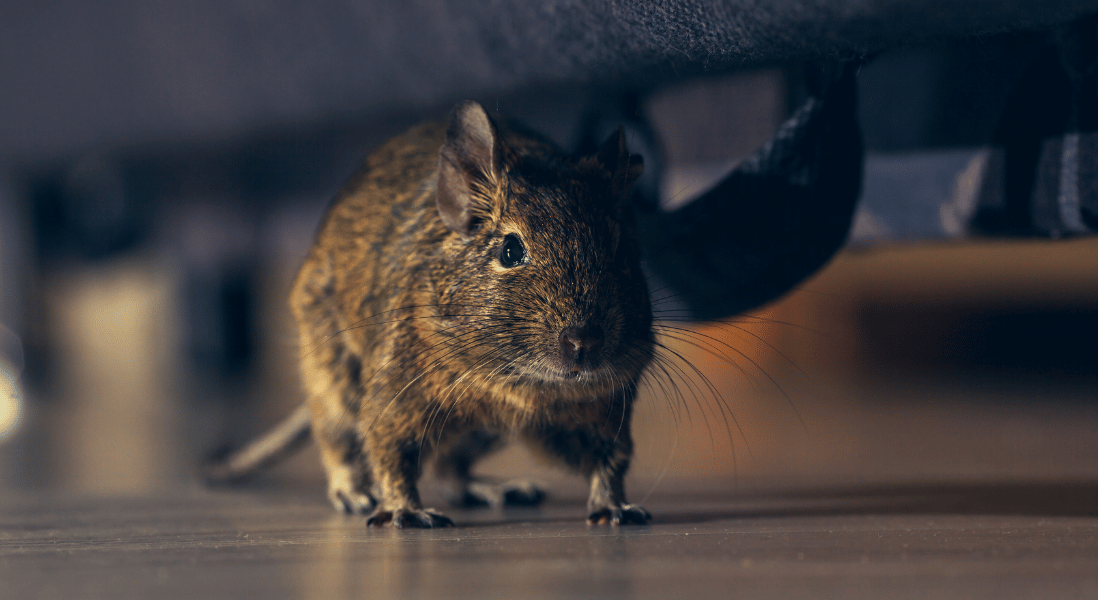
Essential Rodent Control Methods for Every Business
1. Seal All Entry Points
Rodents are notorious for finding their way into buildings through the tiniest of openings. It’s crucial for business owners to conduct a thorough inspection of their premises to identify and seal all possible entry points. Use durable materials like steel wool or caulking to block gaps around pipes, vents, doors, and windows. Additionally, intuitive checks during quarterly maintenance can prevent unforeseen infestations later on. For more on effective sealing techniques, refer to Pest Control Professionals.
2. Maintain Cleanliness and Sanitation
Preventative measures like cleanliness play a significant role in managing rodent populations. Businesses should implement strict hygiene practices, ensuring that food waste is disposed of in sealed containers. Regularly cleaning workspaces, especially in kitchens and dining areas, will reduce attractants that could lure rodents inside. An organised environment not only minimises pest issues but also enhances employee morale and productivity. For detailed tips on sanitation standards, check the World Health Organization.
3. Use Humane Traps
Humane traps are an increasingly popular method for managing rodent populations without causing unnecessary harm. These traps capture rats and mice alive, allowing for relocation away from your business premises. Be sure to check traps regularly and release captured rodents in suitable environments, ideally far from populated areas to avoid return sightings. This method aligns with a growing emphasis on animal welfare, putting your business ahead in social responsibility. More on humane pest control can be found through the Animal Welfare Institute.
4. Implement Physical Barriers
Using physical barriers can significantly enhance your efforts in rodent control. Businesses can:
- Install door sweeps
- Cover vents with screens
- Deploy rodent-proof garbage bins
- Configure shelving to prevent food contact with the ground
This proactive approach can deter infestation before it starts. For installation guidelines, refer to advice from local pest control resources.
5. Integrated Pest Management (IPM) Strategies
Adopting Integrated Pest Management (IPM) is an effective way to tackle rodent issues holistically. This strategy combines prevention, monitoring, and exclusion techniques while minimising reliance on chemical treatments. For example, businesses can:
- Integrate natural deterrents alongside physical barriers
- Implement thoughtful sanitation practices
By educating staff on the importance of IPM, your entire team can contribute to a pest-free environment. Explore more about IPM through PestControlNearMe.
6. Monitor Regularly
A proactive mindset is key to long-term rodent control. Sealing entry points, maintaining cleanliness, and using humane traps not only prevent infestations but also reflect a responsible, ethical approach. These efforts lead to a healthier work environment, higher morale, and a stronger business reputation.
Next Steps
- Lead by example encourage others in your industry to adopt smart, humane pest control methods
- Seal all possible entry points around your premises
- Establish a strict cleanliness routine to reduce attractants
- Use humane traps to align with ethical pest control standards
- Stay updated on new pest prevention technologies
