


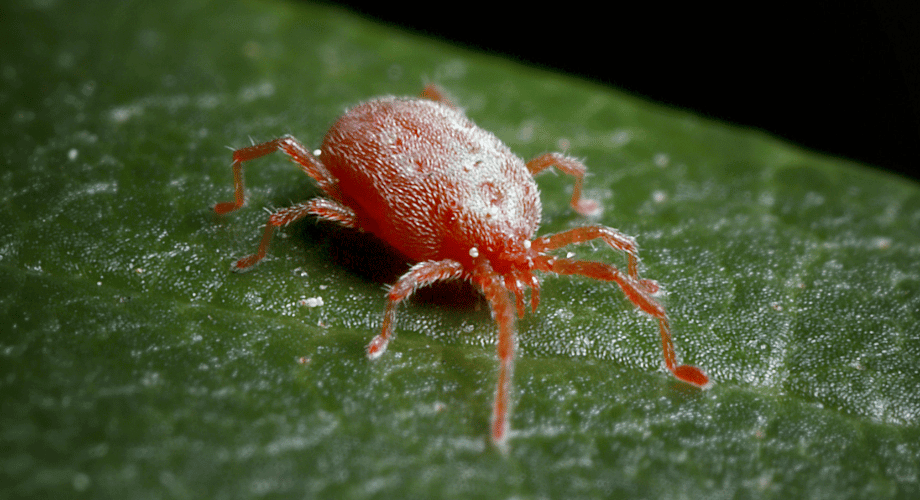
South African Farmers should try these amazing strategies to control poultry mites and avoid a serious problem for egg farms and small flocks in South Africa. Poultry mites reduce egg production, harm bird health, and cause stress for farmers. The most common ones are poultry red mites and scaly leg mites. Red mites hide in cracks and come out at night. Scaly leg mites burrow under leg scales and cause swelling.
Top strategies to control poultry mites
Walk through your chicken house each week. Look at legs for raised or crusty scales. Use a torch at night to check perches and nests. Red mites move quickly and smear red when crushed. Place a small piece of folded cardboard under a perch. Mites will hide inside overnight. This simple routine helps you act early before a big outbreak. You can find more advice in the Farmer’s Weekly guide on external parasites.
Cleaning and prevention
A clean chicken house is your first defence. Remove litter and wash the house between flocks. Seal cracks and smooth surfaces where mites hide. Keep the house dry because moisture helps pests thrive. For detailed checklists, see the SAPA Code of Practice which is followed by the South African poultry industry.
Treatments available in South Africa
Only use registered products under South African law. Always check the label and record when you treat. Exzolt (fluralaner) is registered in South Africa and works through the drinking water to control poultry red mite. You can confirm availability with MSD Animal Health South Africa. Spinosad products may also be available, but check with your vet which ones are registered here. For scaly leg mites in small flocks, farmers often use mineral oils or vet-approved topical products, but always confirm with your local veterinarian.
Keep treatments working
Do not rely on one chemical alone. Overuse can lead to poor results. Work with your vet to rotate products that use different active ingredients. This keeps treatments effective for longer.
Extra steps that save time
Control rodents and wild birds that can carry mites into your flock. Use footbaths and clean boots before entering the house. Vacuum dust from beams and perch ends each week. Keep a logbook of what you see and what actions you take. For practical biosecurity tips, visit the Western Cape Department of Agriculture veterinary services.
Final Thoughts
If you notice pale combs, lower egg numbers, or fast-rising mite counts, contact your local vet or state vet office. They can confirm the problem and give advice on safe, legal treatments. A list of contacts is available on the South African Poultry Association.
Key takeaways
Red mite and scaly leg mite are the main risks in South Africa. Weekly checks and cardboard traps save time and prevent big outbreaks. A clean, dry chicken house makes treatments more effective. Use only products that are registered in South Africa. Good biosecurity keeps mites from returning. For more information on poultry health, you can also explore the University of Pretoria Veterinary Faculty.
