


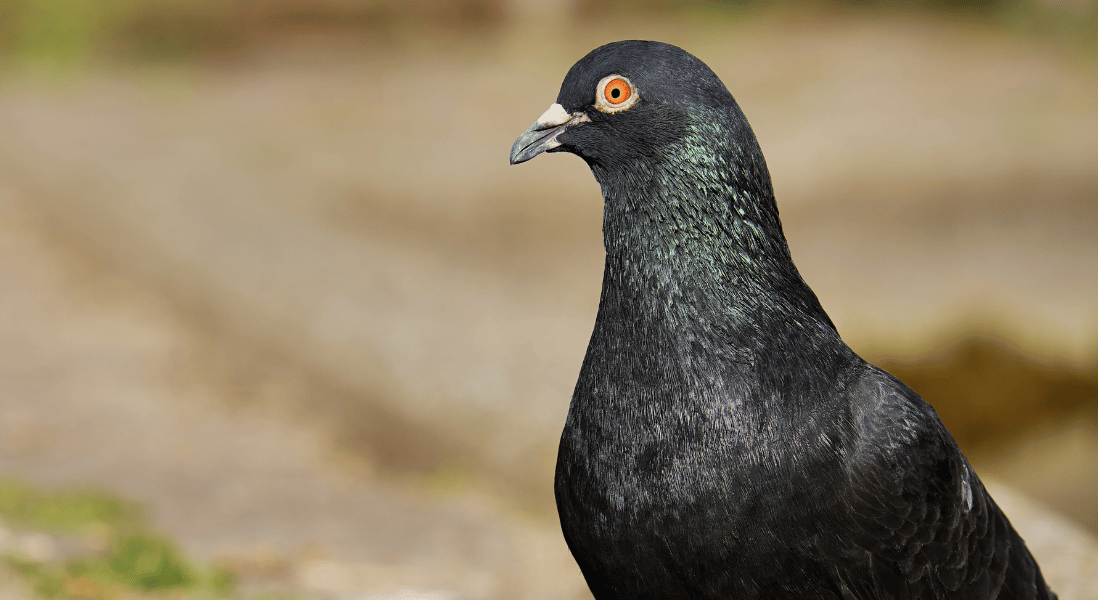
Black doves are often seen as powerful symbols of mystery, transformation, and spiritual strength. Unlike white doves, which represent peace, black doves are connected to change, resilience, and deeper emotional truths. This article explores how black doves appear in different cultures, spiritual beliefs, and modern interpretations uncovering the unique messages they carry across history and today.
Cultural Significance and Interpretation
The black dove, often perceived as an anomaly among its white counterparts, carries profound cultural significance across various societies. In many cultures, the colour black is commonly associated with mystery, death, and the unknown. Therefore, the sighting of a black dove may evoke a range of emotions, from fear to intrigue. For instance, in some Indigenous cultures, black doves are considered messengers from the spiritual realm, guiding individuals through life’s transitions. Throughout history, these birds have been depicted in literature and art, often symbolising wisdom emerging from darkness.
Harbingers of Change
In contemporary society, black doves are increasingly regarded as signs of change or transformation. Their presence may be interpreted as a signal that something significant is on the horizon. This perspective aligns with the belief that change often comes from unexpected sources. Consulting experts, such as medium and spiritual advisors, can offer deeper insights into the messages black doves carry. Understanding these interpretations can provide individuals with encouragement to embrace change rather than resist it. Checkout a Book Geek for more insights.
Symbols of Resilience
Beyond their mystical connotation, black doves also represent resilience and strength. In nature, these birds often face harsh conditions that challenge their survival. Observing a black dove in your environment can serve as a reminder of the power to overcome adversity. This symbolism resonates strongly today, particularly with many individuals facing personal challenges. By recognising the resilience associated with black doves, individuals can draw strength from these creatures when navigating their own life’s hardships.
The Mystery and Myths Surrounding Black Doves
While black doves inspire contemplation, they are also steeped in various myths and misconceptions. Some people mistakenly view them as omens of bad luck or misfortune. However, many of these interpretations are based on a misunderstanding of their symbolism. For instance, in some Asian cultures, the appearance of a black dove can represent fortune, a signal for personal and financial success. Understanding these myths is crucial, as they often affect our perceptions and reactions towards these birds.
The Role of Black Doves in Modern Spiritual Practices
In today’s society, black doves have found a place in modern spiritual practices. Many people now turn to these birds symbolically in rituals for healing and transformation. For example, some practices involve visualising a black dove during meditation to embody peace amid turmoil. Others may adopt black dove imagery in artwork or home decor to invoke strength and resilience. The symbolic value placed on black doves in spiritual contexts highlights their versatility in representing diverse meanings to different individuals.
Final Thoughts
Black doves carry deep meaning across cultures. They are symbols of strength, resilience, and personal growth. Their presence invites us to see difficult moments as opportunities to grow and learn. Spotting a black dove can be a reminder to pause and reflect on what you’re facing in your life.
Next Steps:
- Share the Insight: Start a conversation or blog post about what the black dove symbolises for you.
- Reflect Personally: Consider what challenges you’re facing and how you can grow from them.
- Journal the Symbolism: Keep a short diary noting when and where you see black doves and what you were going through at the time.
- Explore Cultural Meanings: Read about how different cultures interpret the symbolism of doves to broaden your understanding.
