


Farmers can protect Pollinators like bees, butterflies, moths, bats and some beetles play a very large role in making crops produce fruits, seeds and good yield. Their health links directly with food supply, farm income, soil health and biodiversity. Many farmers face threats to pollinator populations from habitat loss, pesticide use, climate change, over-tillage and lack of forage. Here are ten practical ways farmers can help protect pollinators.
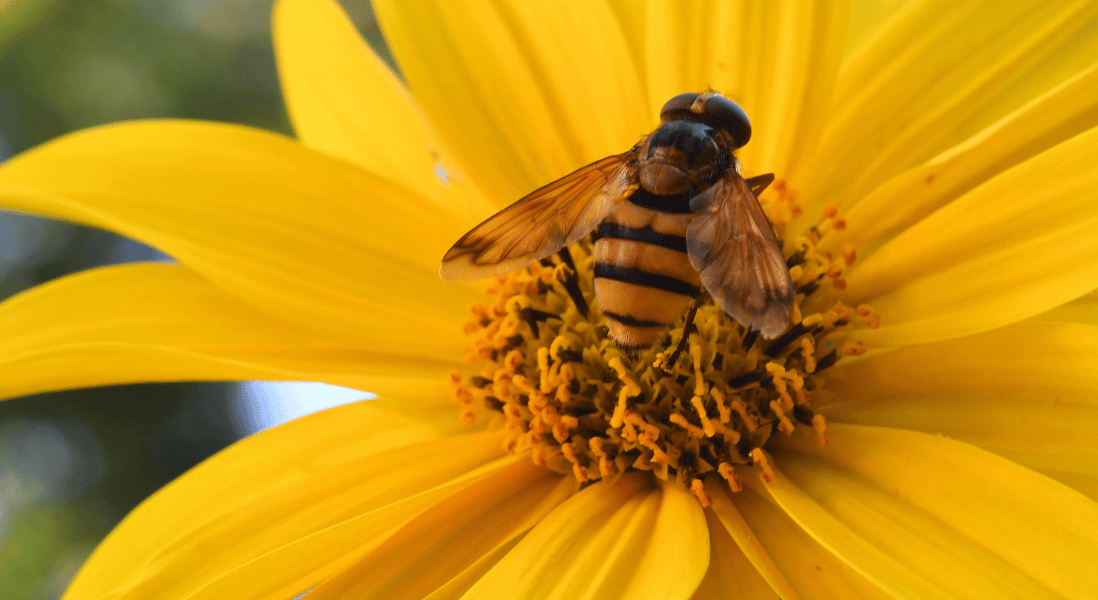
1 Plant a variety of flowering plants throughout the farm
When farmers include different flowering species that bloom at different times they give pollinators food all through the season. Using cover crops such as clover, alfalfa or buckwheat helps when main crops are not blooming. These plants supply both nectar and pollen which many pollinators need. Farmers can explore guidance from SARE’s pollinator habitat resources to choose suitable species.
2 Maintain or restore natural habitats
Areas such as hedgerows, wildflower strips, field margins, uncultivated patches and grass buffers give shelter, nesting spots and forage for pollinators. Even small patches matter since they help pollinators travel, nest and avoid predators. You can learn practical methods in this pollinator conservation guide by Xerces Society.
3 Use Integrated Pest Management strategies
Instead of relying heavily on broad chemical sprays, farmers can use pest management that combines biological, cultural, mechanical and chemical methods. IPM may include using natural predators, rotating crops, timing applications to avoid peak pollinator activity, or using less toxic alternatives. This lowers risk to pollinators while keeping pests under control. The USDA Integrated Pest Management overview is a good place to start.
4 Reduce or avoid the most harmful chemicals
Some insecticides, especially ones that act systemically (absorbed by the plant and present in pollen or nectar), pose strong risks. Herbicides can reduce wildflowers. Reducing pesticide drift by careful spraying, buffer zones, or choosing safer substances helps protect pollinators. EPA’s pesticide and pollinator protection provides updated advice for safer practices.
5 Adjust tillage and soil disturbance
Many bees, especially ground nesting species, nest in bare soil or lightly covered earth. Heavy tillage destroys nests or harms immature pollinators. Using reduced tillage or no tillage in certain areas preserves those nesting sites. Leaving patches of bare soil or undisturbed ground helps. Farmers interested in conservation tillage can explore NRCS soil health management practices.
6 Provide water and nesting resources
Pollinators need water sources such as shallow ponds, clean muddy areas, or water bowls. Also many solitary bees and other insects need places to nest such as small hollow stems, dead wood, bare ground, or bee boxes. Encouraging dead plant matter or leaving some natural debris helps. Installing bee hotels can also be beneficial and the FAO’s guidance on pollinator-friendly practices explains how.
7 Crop rotation and intercropping
Rotating crops or planting crops together can reduce pest pressure and allow flowering plants with different bloom times to be present. This gives pollinators more food and may reduce the need for pesticides. It also helps soil fertility and diversity.
8 Use buffer zones or set aside non farmed edges
Leaving strips around fields without chemicals or farming activity gives shelter for pollinators and reduces drift or contamination from adjacent fields. Buffer zones with wildflowers or native plants act as safe corridors.
9 Monitor pollinator health and presence
Keeping track of pollinator numbers, what kinds of pollinators visit the farm, and when they are active helps farmers understand how farming practices affect them. Monitoring can guide decisions such as when to spray, what species to plant, which habitats to protect. Engaging in citizen science or working with local experts can help. The Bumble Bee Watch project is a good citizen science platform.
10 Work with community and share knowledge
Farmers are not alone. Working with neighbours, local agricultural extension services, conservation groups or beekeepers can help spread pollinator friendly practices. Education and awareness can lead to better policies, better practices and collective action. This helps protect pollinators beyond individual farms.
Final Thoughts
When pollinators are healthy farms often get better yields, higher quality fruits or seeds and more stable production. Many crops rely on pollinators to set fruit. When pollinators decline yield may fall or more labour and cost may be needed for alternatives. Also healthy ecosystems are more resilient to droughts, pests, disease and soil erosion. Protecting pollinators is part of long term farm health.
Tips for taking action
- Start small. You could begin with one wildflower strip or hedgerow and expand over time
- Choose native species. Local plants are adapted to climate and local pollinators will benefit most
- Plan timing. For example apply pesticides when pollinators are less active early morning or late evening or avoid spraying during bloom
- Record what you try. Note which plants do well, which pests appear when, how pollinators respond. Use that for future planning
