


How to Protect your garden this spring to come alive again. This season the air feels warmer, daylight lasts longer, and plants respond with new shoots and blossoms. While this growth is exciting, it also brings challenges such as sudden cold nights, weeds, and insects that can cause damage if left unchecked. To make sure your garden thrives this season, here are ten simple yet powerful tips that help you protect and prepare your plants.
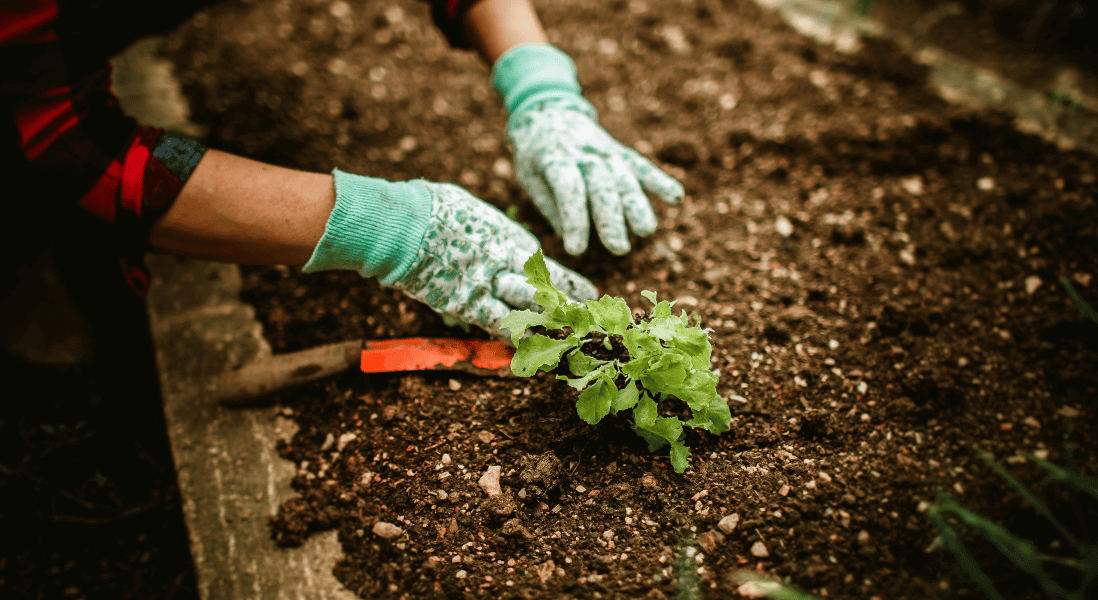
1. Clear away winter debris and deadwood
After winter, your garden may be covered with old leaves, twigs, and broken branches. These piles of debris can create the perfect hiding place for pests and fungi. Clearing the ground not only gives your garden a fresh start but also reduces the chances of disease spreading. For extra guidance, see these spring cleaning garden tips.
2. Check and improve your soil
Healthy soil is the foundation of a strong garden. In early spring, test your soil to see how well it drains and whether it has the right balance of nutrients. Adding compost or well-rotted manure helps enrich the soil, making it fertile and ready to support healthy root systems. Learn how to prepare soil for planting to give your plants the best possible start.
3. Use mulch to lock in moisture and stop weeds
Mulching is one of the easiest ways to protect your garden. Spread a layer of organic mulch such as bark chips, straw, or compost around the base of plants. Mulch:
- Shields the soil from drying out too quickly
- Keeps the ground temperature stable
- Blocks weeds from competing with your plants
As mulch breaks down, it also feeds the soil naturally. More advice can be found in this guide on mulching for gardeners.
4. Guard against late frost and cold nights
Even though spring days feel warm, nights can still drop to freezing levels. Protect young or tender plants with cloche, fleece, or simple fabric covers during cold snaps. In greenhouses or cold frames, remember to provide ventilation on warm days to prevent overheating. Here are some ideas on protecting plants from frost.
5. Prune and trim at the right time
Pruning is not just about shaping plants, it also keeps them healthy. Trim away dead, damaged, or diseased branches from shrubs, trees, and perennials. If you have plants that bloom on old wood, wait until they finish flowering before pruning. This helps them recover and encourages new shoots. Pruning also improves airflow, which reduces the risk of fungal problems.
6. Watch for pests and create barriers
Spring is when insects and garden pests wake up and begin feeding. Slugs, aphids, and caterpillars can quickly damage fresh young leaves. Inspect plants regularly and take action early.
- Use row covers or fine netting as physical barriers
- Encourage beneficial insects like ladybirds
- Remove hiding spots such as damp debris
Practical tips are shared in this article on natural pest control.
7. Harden off seedlings before moving them outside
If you start seeds indoors, do not rush them straight into the garden. Seedlings need time to adjust to outdoor conditions such as sunlight, wind, and temperature changes. Begin by placing them outside for a few hours each day, then increase the time gradually over a week or two. This process, known as hardening off, makes seedlings stronger and less likely to suffer shock.
8. Plan your planting layout with care
A well-thought-out plan saves you time and avoids problems later in the season. Pay attention to where you place each plant.
- Some thrive in full sun
- Others prefer shade or partial light
- Vegetables benefit from crop rotation
- Plants need enough space for airflow
The Royal Horticultural Society explains more about crop rotation and garden planning.
9. Maintain tools and repair structures
Sharp, clean tools make gardening easier and reduce the risk of spreading disease between plants. Spring is the best time to sharpen blades, clean spades, and check watering cans. Inspect fences, trellises, and raised beds for damage. Repairing them early means your plants will have strong support when they grow tall later in the season.
10. Water wisely and avoid waste
Water is essential, but too much or too little can both cause harm. Aim to water in the early morning when the soil can absorb moisture before the sun is high. Avoid watering late at night, as this leaves soil damp and encourages fungal problems.
- Group plants with similar needs together
- Use drip irrigation or soaker hoses
- Rely on mulch to conserve water
You can read further advice on efficient garden watering.
Why these tips matter
Protecting your garden in spring is about building strong foundations. When you clear debris, improve the soil, and control pests early, you set up your plants for healthy growth. Proper pruning and planning give them the best chance to thrive, while tools and structures ensure you are prepared for the busy growing months ahead. Finally, wise watering habits save time, conserve resources, and keep plants vibrant.
Final thoughts
A garden in spring is full of promise, but it also needs care and protection. By following these ten tips, you can reduce risks, avoid stress, and enjoy the beauty of a garden that flourishes naturally. With steady attention to soil, water, pests, and structure, your plants will reward you with color, fragrance, and harvests that last well into the next season.
