


Easy steps for identifying allergy from bedbugs in cape flats, where many families live close together, infestations may spread more easily. Knowing how to recognise a reaction to bedbugs can help you get relief and keep your home safe. Below are ten clear tips to guide you.
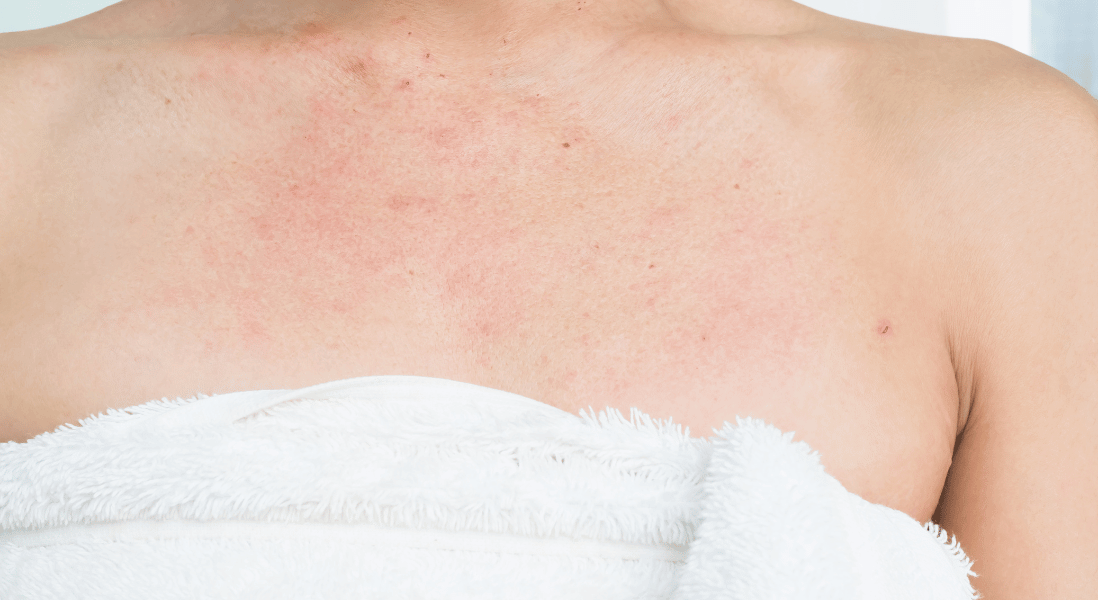
10 Practical Steps for Identifying Allergy from Bedbugs in Cape Flats
1. Watch for new red itchy welts on exposed skin
Bedbug bites often appear as small red bumps or welts on areas not covered by clothing while you sleep. In some people these become very itchy and may swell or form hives. You can read more about how to know if you are allergic to bedbugs.
2. Notice if bites appear in a line or cluster
Unlike mosquito bites that may appear randomly, bedbug bites are often in a row or grouped closely together. This pattern is a strong sign of bedbugs rather than other insects. More details are explained in this guide on bedbug allergy reactions.
3. Compare the timing of reactions with your sleep
If you go to bed without irritation and wake up with fresh bumps or itching, the timing suggests bedbug activity. It is especially important to note if this happens repeatedly at night. A helpful resource on common bedbug bite symptoms is available from a South African pest specialist.
4. Check for signs of infestation in your sleeping area
Look closely at your mattress seams and bedding. Dark rust-coloured stains, blood spots, or shed skins may all point to bedbugs. Local pest experts such as Pest Store South Africa provide clear pictures and advice to help you confirm what you see.
5. Use a flashlight to inspect hiding places
Bedbugs hide in cracks and seams during the day. Shine a flashlight into the corners of your bed frame, behind headboards, and along wall skirting. The Hygiene and Bugs advice page gives more details on where to look.
6. Note worsening symptoms over time
Some people may not react strongly the first time, but repeated bites can cause stronger allergic reactions. If itching and swelling become worse after each night, this is a sign your immune system is reacting more.
7. Observe if symptoms spread beyond the bite area
An allergy reaction may not stay at the bite site. Hives or swelling can extend across larger areas of skin. In rare cases bedbug allergy can trigger respiratory issues, which require medical care.
8. Consider your history of allergies
People with asthma, eczema or other allergies may be more sensitive to bedbug bites. If you already suffer from allergies, your symptoms may appear faster or be more severe.
9. Consult a health care professional and ask about testing
If reactions are severe or do not improve, visit a doctor. Allergy testing such as skin prick or blood tests may help confirm the cause. The University of Pretoria research archive has studies on allergic responses in South Africans, which shows how local allergy patterns differ.
10. Track and document your symptoms
Write down when you get new bites, where they appear, and whether symptoms improve when you sleep somewhere else. This record will help your doctor or a pest control service understand the problem faster. The Pest Control Pros service in South Africa offers advice and treatment options.
Local context for the Cape Flats
Bedbugs are found across South Africa and can survive for months without feeding, which makes them difficult to remove. In dense areas like the Cape Flats, infestations may spread between neighbours. Acting quickly when you notice signs of allergy or infestation can prevent bigger problems. For practical support, professional pest control services and community health clinics in Cape Town can provide guidance and safe treatment plans.
Practical steps for relief
If you suspect a bedbug allergy, gently wash the affected area with soap and water. Cool compresses and approved antihistamines may ease itching and swelling. Always speak to a health care provider if symptoms are severe or spreading.
