


As temperatures drop, ants don’t disappear they move indoors. Winter ants invade your business by actively pests that seek out warmth, food, and shelter inside business spaces. Their presence often points to deeper issues like structural gaps or hygiene concerns. Left unchecked, they can disrupt operations and damage your reputation. This article explores the top reasons they invade and how to keep them out.
Discover 10 Reasons Winter Ants Invade Your Business
1. Warmth and Shelter
Winter ants are crafty little creatures that seek refuge from the cold. Businesses often provide an ideal environment with their heated interiors. Spaces like kitchens, staff rooms, and even storage areas can lure winter ants in as they look for warmth and shelter from the chill outside. For more information visit D-Termination Pest Control.
2. Food Availability
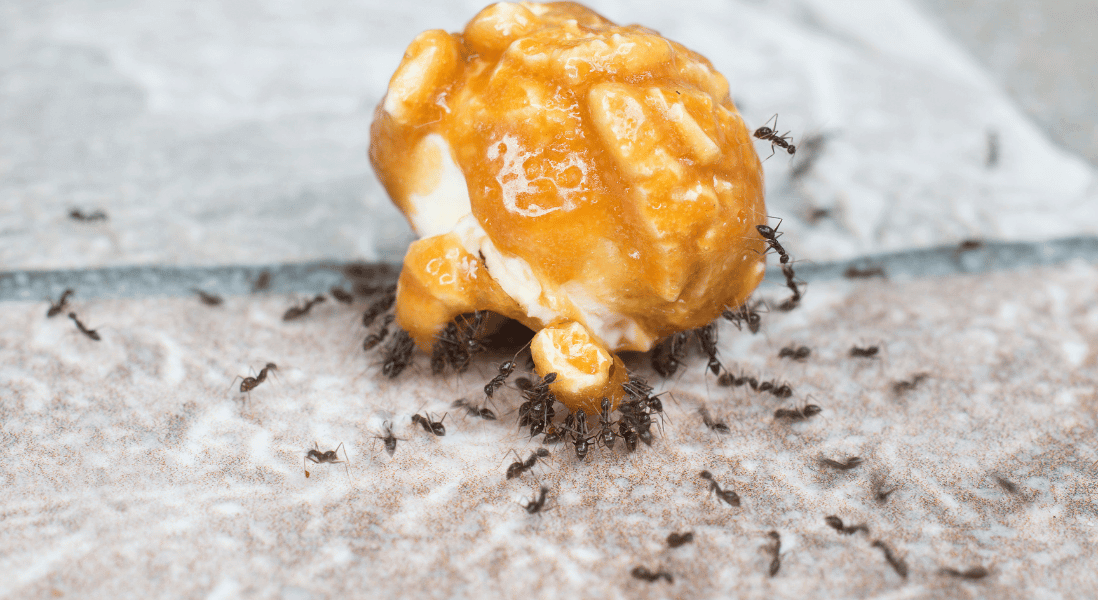
For winter ants, food is a major motivator. They are particularly attracted to sugary and greasy substances. Businesses involved in food preparation or those with proficient kitchen operations need to be diligent. Leftover crumbs, spilt sugar, or exposed food items can be an open invitation for an ant invasion. Maintaining a clean workspace is essential. Checkout the latest updates on HowStuffWorks.
3. Moisture
Like most organisms, winter ants need water to survive. Businesses with high humidity levels or accessible water sources such as leaking pipes, sinks, or water coolers are prime targets. Addressing any moisture issues not only helps with pest management but also promotes a healthier working environment. Visit The Specialists to find out more about winter ants.
4. Cracks and Crevices
Winter ants can infiltrate buildings through surprisingly small gaps. These can be found in walls, windows, and even foundation cracks. Ensuring that all potential entry points are sealed can significantly reduce the likelihood of an invasion.
5. Pest Attraction
If there’s even a hint of ants already present, they can attract more ant species. Ants communicate via pheromone trails, leading additional foragers to a food source. Maintaining a pest free environment is crucial to stopping this chain reaction.
6. Poor Waste Management
Inadequate waste disposal is a common oversight in many establishments. Visible waste, uncovered trash bins, and food storage can tempt winter ants. Regular disposal of waste and thorough cleaning practices can mitigate this risk.
7. Nearby Nesting Sites
Local ant colonies also contribute to winter ant invasions. If your business is in proximity to ant nests, there’s an increased chance they’ll venture indoors, especially as they forage for food or seek shelter.
8. Seasonal Activity
Ant behaviour varies throughout the seasons. During winter, some ant species become more active, searching for food and warmth. Understanding the life cycles and seasonal patterns of local ants can provide insight into potential invasions.
9. Human Activity
Human interventions, such as construction or maintenance work, can inadvertently create new access points for ants. It’s vital to be particularly careful during these times, ensuring that any openings are quickly sealed.
10. Environmental Factors
Climate changes can impact ant behaviour and their migration patterns. Variations in temperature or weather may lead to increased invasions during winter months. For example, if warmer weather occurs mid-winter, ants may become more active, prompting them to search for indoor habitats.
Final Thoughts
Winter ants often invade seeking warmth, food, and moisture posing serious issues for businesses. By sealing entry points, keeping spaces clean, and addressing moisture, you can reduce the risk. These pests may also signal deeper maintenance problems, so staying proactive is key to protection and preserving your business image.
Next Steps:
- Inspect your premises for cracks, leaks, and food residue.
- Use natural repellents like peppermint oil where needed.
- Contact local pest control services at the first sign of infestation.
- Explore more tips in our Pest Control Near Me and Pest Control Articles.
